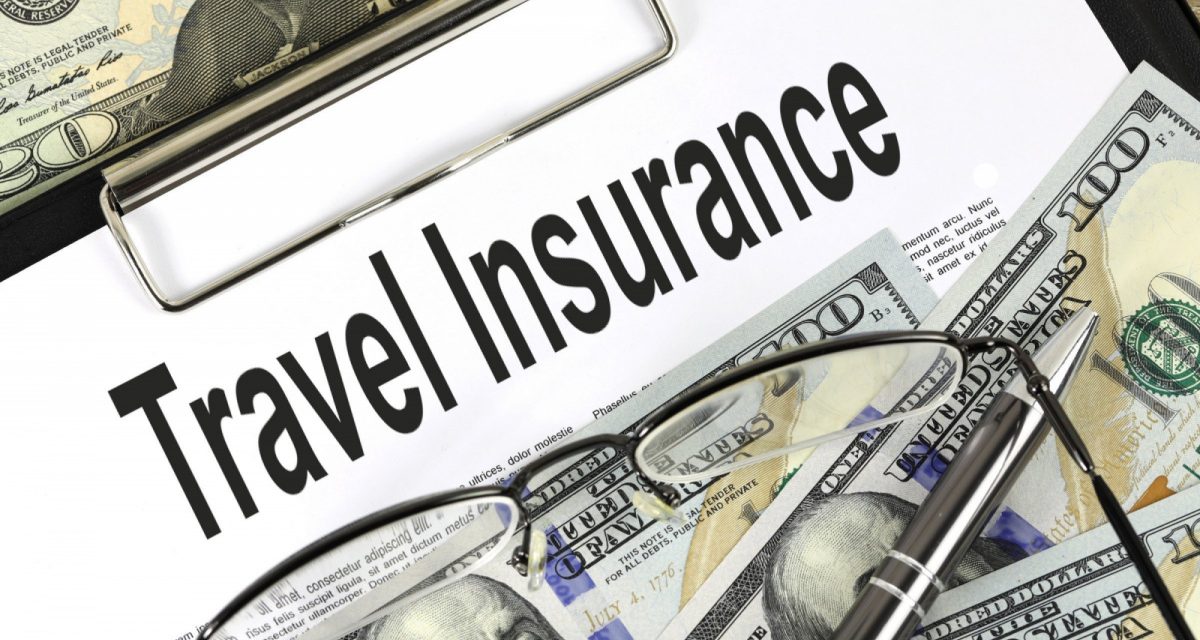
Travel insurance can minimize the considerable financial risks of traveling: accidents, illness, missed flights, canceled tours, lost baggage, theft, terrorism, travel-company bankruptcies, emergency evacuation, and getting your body home if you die.
What are the chances you’ll need it? Hard to say. How willing are you to take risks? That’s up to you. Deciding whether to invest in travel insurance has always been a tricky decision, and of course the coronavirus pandemic has made that choice even more complicated.
Each traveler’s potential loss varies, depending on how much of your trip is prepaid, the refundability of the air ticket you purchased, your state of health, the value of your luggage, where you’re traveling, the financial health of your tour company and airline, and what coverage you already have (through your medical insurance, homeowners or renters insurance, and/or credit cards). It’s important to note that most policies won’t cover you if you change your plans to reduce your risk of contracting COVID-19.
Take these considerations into account, understand your options, and make an informed decision for your trip.
Insurance Basics
The insurance menu includes five main courses:
- Trip cancellation and interruption
- Medical, evacuation, baggage, and flight insurance.
- Supplemental policies can be added to cover specific concerns, such as identity theft or political evacuation.
- The various types are usually sold in some combination
Rather than buying only baggage, medical, or cancellation insurance. You can purchase a package that includes most or all of them. You need to weigh options, consider the relative importance to you of each type of coverage.
Is your main concern getting your money back for a canceled trip or lost baggage? Treatment or evacuation if you fall ill during your travels?
A standard trip-cancellation or interruption insurance policy covers the nonrefundable financial penalties or losses you incur when you cancel a prepaid tour or flight for an acceptable reason, such as:
- You, your travel partner, or a family member cannot travel because of sickness, death, or layoff
- Your tour company or airline goes out of business or can’t perform as promised
- A family member at home gets sick (check the fine print to see how a family member’s pre-existing condition might affect coverage)
- You miss a flight or need an emergency flight for a reason outside your control (such as a car accident, inclement weather, or a strike)